
Why Are My Lights Flickering? Common Causes and When to Call an Electrician
Lights turning on and off unexpectedly is not just frustrating but also concerning. Many households experience flickering lights at some point, whether briefly or over longer periods. In some cases, the cause may be minor and easy to address. However, persistent flickering should not be ignored, especially when it begins to appear more frequently.
Occasional light flickering can occur when appliances draw power from the same circuit or when the bulbs are not fitted securely. These situations are often harmless and can be resolved with simple checks. Repeated fluctuations, on the other hand, may point to serious electrical faults. Hence, recognising the difference between a minor issue and a potential warning sign is a must for electrical safety.
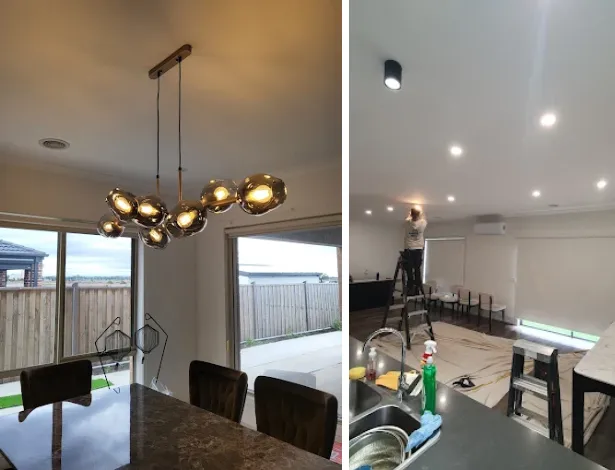
In certain situations, house lights flickering across several rooms may indicate issues within the wiring or the main power supply. Loose connections, overloaded circuits, or ageing components can also interrupt stable power flow. Understanding them makes it easier to identify the underlying causes and decide when a professional inspection becomes necessary.
Key Takeaways
- Brief flickers can occur due to loose bulbs or appliances sharing a circuit.
- Repeated flickering may indicate wiring faults or overloaded circuits.
- Widespread flicker across rooms can suggest supply or connection issues.
- Ongoing problems should be assessed by a qualified electrician.
Isolated vs Widespread Flickering
Flickering lights cause a lot of discomfort, especially at night or in dimly lit spaces. It’s even worse when it’s just one fitting that’s problematic rather than multiple sources. This usually happens because of a loose bulb or worn socket, and is relatively simple to resolve.
Tightening the bulb or replacing it often restores steady illumination. Situations like this are usually not critical and do not always indicate a deeper electrical concern. However, when there are lights flickering in the whole house at the same time, you’ll need professional help.
When several rooms experience the issue together, it can be related to the wiring, circuit load, or the main electrical supply. Observing where and when the flicker appears helps narrow down the possible source. The comparison below highlights how isolated flickers differ from broader electrical issues.
| Flicker Pattern | Typical Cause | Level of Concern |
|---|---|---|
| One light flickering | Loose bulb, worn socket, or faulty fitting | Usually minor |
| Several lights flickering | Circuit load imbalance or wiring fault | Needs investigation |
| Whole-house flicker | Supply issue or main connection fault | Potentially serious |
Recognising these patterns makes it easier to determine whether the issue is minor or signs of a deeper electrical problem. Next, let’s explore some of the most common reasons behind flickering lights and analyse what might be affecting the electrical system.
Common Causes of Flickering Lights
Flickering lights can happen due to various reasons, ranging from minor fitting problems to more serious electrical faults. Identifying the underlying cause helps homeowners decide whether a simple fix is enough or if professional attention is required. Understanding them also prevents further damage and other safety hazards.
The most common causes are:
Loose or Faulty Light Bulbs
One of the most frequent reasons for light flickering in homes is a loose or faulty bulb, particularly with LED or older types. Poor contact between the bulb and fixture, or issues with the circuit regulator, can lead to intermittent flickers. Checking and tightening the bulb or replacing it often resolves the issue without the need for further intervention.
Incompatible or Faulty Dimmer Switches
Many lights flicker when paired with dimmer switches not designed for their load. Older models and modern LEDs may not be compatible with such controls, causing unstable lighting. This type of flickering is common in retrofitted homes. Using dimmers compatible with LED technology usually fixes the problem and ensures smooth, consistent illumination.
Loose Electrical Connections
Loose wiring anywhere in the circuit can result in lights flickering in the whole house and poses a fire risk. This includes connections in fixtures, switches, or junction boxes. Since the danger is significant, DIY fixes should never be attempted here. Such situations require a professional electrician to inspect and secure all connections safely.
Overloaded Circuits and Voltage Drop
When multiple devices draw power from the same circuit, lights may dim or flicker. Power-hungry appliances, such as microwaves or dishwashers, can reduce voltage enough to affect lighting. This is particularly common in older homes with outdated wiring. Recognising this as a potential cause for flickering lights allows property owners to take preventive measures against electrical stress or damage.
Faulty Switches, Outlets, or Breaker Components
Faulty or aged switches and breakers can interrupt voltage flow, leading to house lights flickering intermittently. Buzzing sounds or heat near switches often indicate a problem. Replacing these components may be necessary, but because of the risk, it is best handled by a licensed electrician to ensure safety and restore reliable lighting.
When Does Flickering Become a Serious Problem?
While an occasional flicker may not be a problem, certain warning signs point to a more serious electrical issue. Ignoring them can increase fire risk or damage to the entire system. So, if you suspect the lights flickering indicates an electrical problem, get hold of a licensed electrician for prompt inspections and repairs.
The key warning signs include:
Multiple Flickering Lights
This is caused by loose wiring or overloaded circuits and needs immediate attention.
Warning Clues
Buzzing sounds, strange smells, or heat near outlets and switches are signs of faulty connections.
Frequent Breaker Trips
If the circuit trips frequently after flickering occurs, it indicates the system is under stress.
Visible Sparks or Arcing
This is an immediate hazard that requires urgent action.
What You Can Do Before Calling an Electrician?
Most issues with flickering lights can be resolved with a few simple checks, saving you time and providing peace of mind. Understanding whether the problem is limited to one light or more widespread is key to determining your next steps. This is why performing basic inspections first can prevent unnecessary service calls while keeping your home safe.
Some simple checks you can perform before contacting a professional include:
Replace or Tighten Bulbs
A simple but effective step is to ensure each fixture is secure and properly functioning.
Use Dimmer-compatible Bulbs
Using compatible lights and switches prevents flicker, especially when paired with older or non-standard dimmers.
Check Extent of Flickering
It’s a good idea to check if the problem is isolated to one room or widespread. Single fixtures are often easy to repair, while multiple rooms may indicate larger issues.
If you can’t find a solution for the house lights flickering yourself, it’s best to seek professional help. Anything beyond a simple fix or persistent flickering should be inspected by a licensed electrician.

Don’t Ignore Flickering Lights: Call Everyday Sparky Electrical Services
Flickering lights can be a minor nuisance, but they may also indicate more serious issues with your home’s electrical system. While simple faults like loose bulbs or incompatible dimmers are common, persistent or widespread flickering often points to more concerning causes. If you recognise these early, it can prevent potential fire hazards and protect both your home and family.
If you notice house lights flickering in multiple rooms, frequent breaker trips, or other warning signs, don’t hesitate to contact Everyday Sparky Electrical Services. We have a team of qualified electricians who can handle all types of lighting issues. Our team identifies the problem, fixes it, and then tests the system.
It’s not just lighting we specialise in; our team also provides appliance installations, rewiring, safety checks, fault finding, and upgrades. Additionally, you can also call for emergency electrician services in Melbourne when the need arises. So, even if the cause of your light flickering seems minor, don’t risk your safety.
Instead, call us on 1300 683 855 or send us an email at info@everydaysparky.com.au. Alternatively, you can also leave us a message here. With us in your corner, your home stays protected at all times.
FAQs
Flickering lights can be caused by loose bulbs, outdated wiring, overloaded circuits, or incompatible dimmers. Occasional flicker may be harmless, but persistent or widespread flickering could indicate a serious electrical issue that requires a licensed electrician.
While minor flickers are often harmless, frequent or widespread flickering lights can signal a lot of problems with the electrical system. These issues increase the risk of fire or electrical damage. So, persistent flicker should be evaluated promptly by a licensed professional to ensure your home’s safety.
When large appliances like microwaves, dishwashers, or air conditioners start, they can draw significant power from the circuit. This voltage drop can cause light flickering. In older homes or with overloaded circuits, the flicker may indicate the need for an inspection. If that’s the case, give us a call.
Multiple lights flickering simultaneously usually point to a wiring issue, loose connections, or an overloaded circuit. Flickering in the whole house is often a serious warning sign, and ignoring it can risk fire or electrical failure. Always consult a licensed electrician for diagnosis and repair.
A flicker in a single fixture is often caused by a loose bulb, faulty socket, or incompatible dimmer. While usually minor, repeated flickering lights in one location can indicate a wiring problem. If tightening or replacing the bulb doesn’t help, get in touch with our licensed electricians.