
You wake to complete darkness. No hum from the air conditioner. No glow from the alarm clock. Just silence and that immediate confusion of not knowing where you are for a second.
Most people’s first instinct is to stumble toward the switchboard. That’s usually the wrong move.
This isn’t about creating panic. Most 2am power outages don’t need an emergency electrician. But some absolutely do, and knowing the difference in those first few minutes matters. What you need is a simple triage system: fix it yourself, wait it out, or call for help.
The good news? You can figure out which category you’re in without leaving your bed.
First 60 Seconds: Don’t Touch Anything Yet
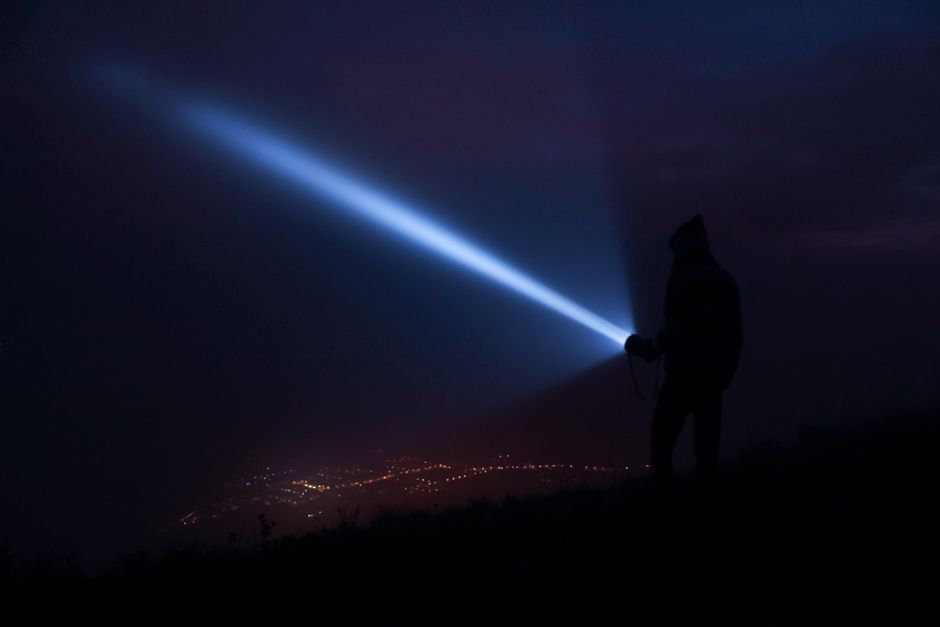
Photo by RAFAEL RUSSANO SILVA on Pexels
Rushing to the switchboard in the dark is how people get hurt. Not from electrocution, usually, but from walking into furniture, tripping on clothes, or misjudging a step.
There’s a principle in first aid called ‘Check’ that applies here. Before you do anything, assess the scene for safety. In a power outage, that means staying still and gathering information before you act.
These 60 seconds of observation actually get your power back faster. If there’s an electrical fault, you need to know before you touch anything metal or wet. If it’s just a tripped breaker, it’ll still be tripped in a minute.
Stay still and let your eyes adjust
Your eyes need 20 to 30 seconds to adjust enough to navigate safely. Sit up in bed first. Don’t immediately stand or start walking.
Use your phone torch only after you’re oriented, not while you’re moving. The light actually delays your natural night vision adjustment, and you’ll be watching the screen instead of where you’re stepping.
Don’t reach for candles or matches yet. Fire risk when you’re disoriented and half-asleep isn’t worth it.
Listen for unusual sounds (buzzing, crackling, alarms)
Complete silence is usually a good sign. It means clean outage, not an active electrical fault.
What you’re listening for: buzzing from inside walls, crackling sounds, burning smell, or your smoke alarm chirping. These sounds mean electrical fault, not just a tripped breaker. If you hear or smell any of these, evacuate and call 000.
Don’t downplay burning smells. If you smell burning plastic or electrical odour, get out. You can investigate from outside once you’re safe.
Check if your neighbours’ lights are on
Look out your window. Don’t go outside yet.
If streetlights are out, it’s a network issue. Not your problem to fix. If your neighbours have power but you don’t, the issue is isolated to your property. That narrows down what you’re dealing with.
Don’t knock on neighbours’ doors at 2am. A visual check is sufficient.
Is This Just You, or the Whole Street?
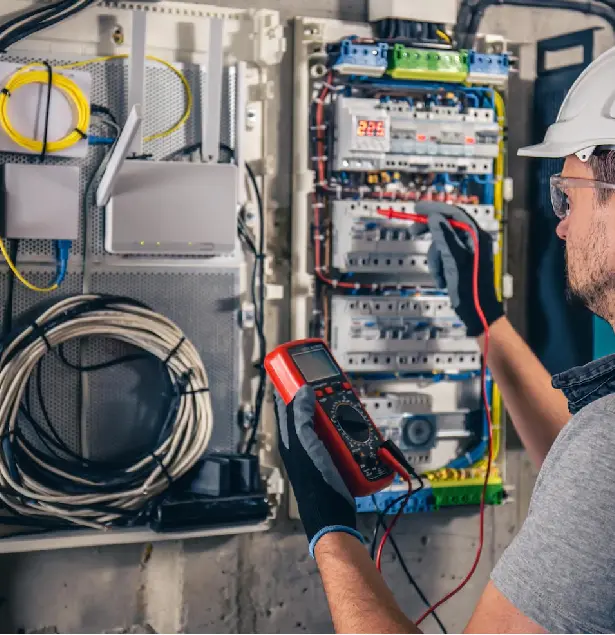
This distinction determines whether you need an electrician or just need to wait.
Whole-street outages are the distributor’s responsibility. They own the poles, wires, and transformers. You report it, they fix it. You don’t pay for the repair.
Isolated outages at your property need investigation, but they’re not always emergencies. A tripped breaker at 2am can often wait until morning unless it’s affecting critical circuits.
Don’t confuse your distributor (who fixes the network) with your retailer (who sends your bills). The distributor is who you call about outages.
How to check your switchboard safely in the dark
Use your phone torch. Don’t touch anything wet. Look for switches pointing the opposite direction to the others. That’s your tripped breaker.
One tripped breaker is usually safe to reset once. Flip it back to the ‘on’ position. If it trips again immediately, stop. Don’t keep trying. That’s when you need to consider whether How Much Do Electricians Charge Per Hour for an emergency callout is worth it versus waiting until morning.
If your main switch is off, that’s unusual. It suggests a serious fault. Don’t touch it. Call an electrician.
Never open the switchboard cover. Never touch any wires. External switches only.
When a tripped breaker means call an electrician NOW
Emergency signs: breaker trips again immediately after reset, scorch marks on the switchboard, the board feels hot to touch, or you smell burning.
If your safety switch (RCD) has tripped, that’s actually the protective feature working correctly. It detected dangerous current leakage and cut the power. That’s good. But it also means there’s a fault somewhere that needs finding.
Repeated tripping of the same circuit breaker can usually wait until morning, unless it’s your fridge circuit and you’ve got a freezer full of stock. If you’re running a business from home with temperature-sensitive inventory, that changes the calculation. For issues like Why Are My Lights Flickering, the underlying electrical fault may be more serious than it appears.
Don’t try to bypass or force a breaker that won’t stay on. That’s what the breaker is protecting you from.
If it’s the whole street: what your distributor needs to know
Call your distributor’s 24/7 outage hotline. In Melbourne, that’s either Jemena, AusNet Services, CitiPower, Powercor, or United Energy, depending on your suburb.
Give them: your address, how many properties are affected (if you can see), and whether there’s any visible damage to poles or wires.
Multiple reports help them confirm the extent of the outage and prioritise response. If you have medical equipment that requires power, tell them. Those addresses get faster response.
Don’t assume someone else has already reported it. Your call might be the one that triggers the crew dispatch.
What to Protect Before You Go Back to Bed
Five minutes of damage control now prevents bigger problems when power returns.
Sudden power restoration can damage appliances or trip breakers again if everything surges on simultaneously. These steps also make your morning easier if power stays out.
Turn off appliances that were running (especially heating/cooling)
Heaters and air conditioners surging on at the same time can trip your breakers again or damage the motors. Turn them off at the appliance. You don’t need to unplug everything.
Priority appliances: heaters, air conditioning, washing machine, dishwasher, electric cooktop.
Don’t create anxiety about every device. Your phone charger and bedside lamp aren’t the issue. Focus on high-draw heating and cooling appliances.
Leave one light switch on so you know when power returns
Leave a bedroom or hallway light switch on as your power-return indicator. When you see light under the door, you know it’s back.
This prevents you from checking the switchboard repeatedly or sleeping through restoration and waking up to a house that’s been heating or cooling empty rooms for hours.
One light won’t cause problems when power returns. Multiple appliances might.
Check your fridge/freezer seal and leave it closed
A closed fridge stays cold for about four hours. A full freezer holds temperature for 24 to 48 hours. Quick visual check that the door seals properly, then don’t open it again until power returns.
Morning is when you assess food safety, not 2am. Most outages resolve well before food spoils.
If you’re running a commercial kitchen or storing temperature-sensitive stock, you already know your food safety protocols. For everyone else, resist the urge to check what’s in there. Every time you open the door, you lose cold air.
When Morning Comes and the Power’s Still Out

Six-plus hours without power warrants escalation.
If the outage is isolated to your property and you identified a fault at 2am, morning is time to call an electrician. If it’s widespread and you’ve already reported it, follow up with your distributor for an estimated restoration time.
For food safety: if your fridge stayed closed and it’s been less than four hours, everything’s fine. Freezer contents are safe if ice crystals are still visible or items are still firm. When in doubt, throw it out. Food poisoning isn’t worth the risk.
If you’re dealing with repeated outages or unexplained trips, that’s a sign your electrical system needs attention. Regular maintenance through How Often Do I Need To Get Electrical Safety Checks can prevent these 2am wake-ups entirely.
The triage system from 2am still applies in daylight. Fault identified? Call an electrician. Network issue? Wait for the distributor. Everything reset cleanly and power’s back? You’re done.
Most 2am outages are resolved by breakfast. The ones that aren’t usually give you clear signals about what needs fixing.