You notice something odd on a Friday evening. A faint burning smell near the kitchen. A switch that feels warmer than it should. Lights that dim when the air conditioner kicks in. Your first instinct? “I’ll sort this out next week.”
That instinct could cost you your home.
Not every electrical quirk is an emergency. A light bulb that flickers once and never again probably isn’t going to burn your house down. But some electrical problems are actively deteriorating while you sleep, eat dinner, or convince yourself it’s fine to wait until Monday. This article gives you the decision-making criteria to tell the difference—right now, when it matters.
When ‘I’ll Call Someone Monday’ Could Cost You Your Home

Here’s what most people don’t realise: electrical fires don’t need days or weeks to develop. They can start within hours of the first warning sign. That burning smell you noticed? It means something is already overheating. That outlet that sparked once? The fault that caused it hasn’t gone anywhere.
The problem with electrical faults is that they’re progressive. A loose connection creates heat. Heat degrades insulation. Degraded insulation creates more resistance. More resistance creates more heat. This cycle accelerates, and the warning signs you’re seeing now are just the visible part of a problem that’s already well underway.
Fires can be prevented through regular inspections of electrical systems, but once you’re seeing active symptoms, you’re past the prevention stage. You’re in the intervention stage. For more guidance on maintaining electrical safety, check out How Often Do I Need To Get Electrical Safety Checks.
The stakes are clear. Some electrical problems are getting worse every minute. Not every day. Every minute. The question isn’t whether you should call someone. It’s whether you should call someone now or call 000.
1. Burning Smell Coming From Walls, Outlets, or Your Switchboard
This is the most urgent sign on this entire list. A burning smell means something is burning right now. Not “might burn later.” Not “could become a problem.” It’s actively failing.
When you smell burning plastic or that acrid electrical smell, you’re detecting insulation melting, plastic components degrading, or wiring overheating. This isn’t a potential future failure. This is an active electrical failure happening in real time.
If you can smell burning from your wiring, turn off the main power immediately and get professional help. Don’t wait to see if it happens again. Don’t try to locate the exact source. Don’t convince yourself it’s faint enough to ignore.
What You’re Actually Smelling (and Why It’s Worse Than You Think)
That smell is physical evidence of thermal breakdown. The plastic insulation around wiring is designed to withstand normal operating temperatures. When it starts to smell, it means those temperatures have been exceeded. The insulation is melting. The protective barrier between live conductors and everything else in your wall is failing.
The smell often appears before visible smoke or flames. That makes it an early warning, but only if you act on it. The fact that it’s faint doesn’t make it less dangerous. It means the problem is still contained, but it’s real. The fact that it comes and goes doesn’t mean it’s resolved. It means the conditions that cause overheating are intermittent—but the underlying fault is constant.
What to Do Right Now—Before You Even Finish Reading This
If you’re smelling burning right now, stop reading and follow these steps:
- Turn off the power at the switchboard if you can do so safely.
- If the smell is strong or you can see smoke, evacuate and call 000.
- If the smell is present but there’s no visible smoke, call an emergency electrician immediately.
- Do not use the outlet, switch, or circuit that you think is causing the smell.
- Do not investigate further. Do not open walls or remove outlet covers.
The decision point is simple: visible smoke or flames means 000. Smell only means emergency electrician. Either way, you’re calling someone today.
2. Outlets or Switches That Are Hot, Discoloured, or Sparking

Photo by Jan van der Wolf on Pexels
These are visible signs of overheating happening right now. Not wear and tear from age. Not cosmetic damage. Active thermal failure.
Discoloured outlets or switches that appear yellow or brown indicate overheating and require immediate attention. That discolouration is heat damage to the plastic faceplate, which means the internal components are significantly hotter than they should be.
There’s a difference between warm and hot. Here’s the test: if you can’t comfortably hold your hand on the outlet or switch, it’s too hot. If you have to pull your hand away, that’s a problem.
The fact that it’s been like this for months doesn’t mean it’s safe. It means you’ve been lucky. Electrical faults don’t improve with time. They deteriorate.
The Yellow-Brown Stain That Means Your Outlet Is Cooking Itself
That yellowing or browning around an outlet isn’t dirt. It’s heat damage. The plastic faceplate is literally being cooked by the heat coming from inside the wall. This staining appears gradually, which means the problem has been building for a while. By the time you can see it on the outside, the damage inside is substantially worse.
Once you can see heat damage, stop using that outlet immediately. Don’t plug anything else into it. Don’t test it to see if it still works. Have it inspected before you use it again.
Why ‘It Only Sparks Sometimes’ Is Not Reassuring
Intermittent sparking means there’s a loose connection that arcs when conditions align. Each spark is a small electrical fire. The electricity is jumping across a gap, creating heat and light in the process. The conditions that cause it—load, humidity, temperature, vibration—will eventually become constant.
People feel falsely reassured when a problem is inconsistent. “It only does it sometimes” sounds less serious than “it does it every time.” But inconsistency means unpredictability. You don’t know when it will happen next, and you don’t know when the intermittent fault will become a permanent one.
Don’t try to replicate the sparking to show an electrician. Just describe when it happens: what you were doing, what was plugged in, what time of day. That information helps them diagnose the fault without you creating additional risk.
3. Your Safety Switch Keeps Tripping (and You Keep Resetting It)
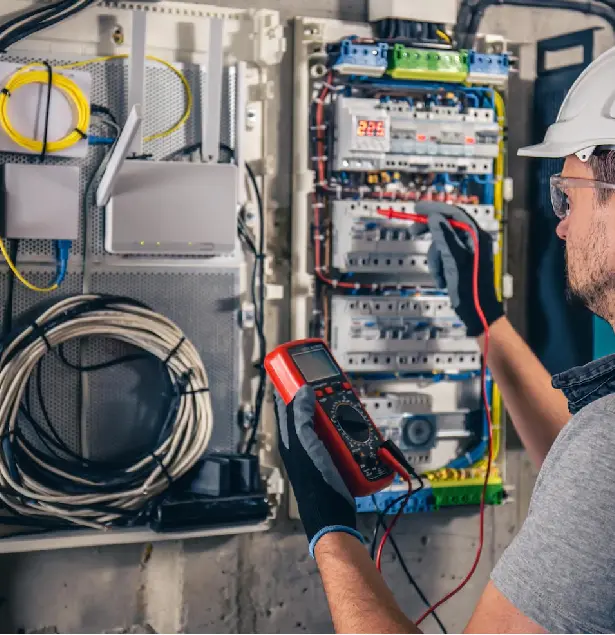
Safety switches monitor electricity flow and shut off the supply when they detect faults, protecting you from electric shock and fire. When your safety switch trips, it’s doing its job. It’s protecting you from something dangerous.
The problem is the pattern: trip, reset, works fine for a while, trips again. This is a warning pattern. The fault is still there. The safety switch is repeatedly detecting it and shutting down to protect you. Resetting without investigation is like ignoring a smoke alarm by removing the battery.
What Your Safety Switch Is Trying to Tell You
The safety switch detects electricity flowing where it shouldn’t—through water, damaged wiring, or faulty appliances. When it trips, it’s found a fault. The question is where.
You can help identify the problem by noting what you were doing when it tripped. Did you turn on a specific appliance? Was it raining? Had you just used water near an outlet? This information helps the electrician diagnose the fault faster.
If the switch trips immediately when you reset it, the danger is active right now. If it takes hours or days to trip again, the fault is intermittent. Either way, the fault exists. The timing just tells you how consistent the conditions are.
The Dangerous Habit of ‘Just Flipping It Back On’
Every time you reset the switch without fixing the underlying problem, you’re exposing yourself to the exact danger the switch prevented. Yes, losing power is inconvenient. But it’s temporary protection from permanent damage.
Here’s the escalation pattern: faults that trip safety switches eventually become faults that cause fires. The switch can only protect you if it’s working. If the fault worsens to the point where the switch can’t respond fast enough, or if the fault bypasses the switch entirely, you’ve lost that protection.
Use this rule: one trip might be a fluke. Two trips in a week means call an electrician. Three trips means call today.
4. Lights Dimming When You Turn On Appliances (Especially Large Ones)
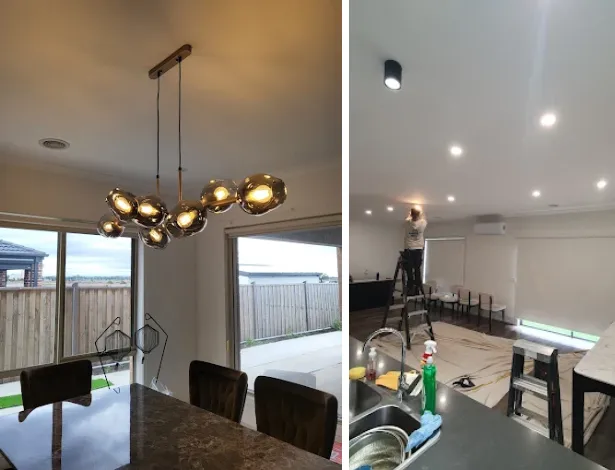
When your lights dim as soon as you turn on the air conditioner or kettle, it means your electrical system is struggling to provide enough power for everything running. Flickering lights may indicate that wiring can’t handle the electrical load, which requires an electrical assessment.
There’s a difference between brief dimming—under one second—which might be normal, and sustained dimming or frequent occurrences. Brief dimming when a large motor starts is sometimes expected. Lights staying dim, or dimming every time you use a particular appliance, indicates a problem. If you’re experiencing persistent issues, read more at Why Are My Lights Flickering.
Why Your Wiring Might Not Be Able to Handle Modern Life
Homes built before 2000 were wired for a different era. Fewer appliances. Lower power consumption. No electric vehicle chargers. No home offices with multiple computers and monitors running simultaneously. No ducted air conditioning in every room.
This isn’t about the wiring being bad. It’s about it being undersized for current demands. The wiring was adequate when it was installed. It’s just not adequate anymore. Frequent circuit breaker trips could indicate outdated wiring requiring professional inspection.
The Refrigerator Test That Tells You If You’re in Danger
Here’s a simple test: watch your lights when the refrigerator compressor kicks on. They shouldn’t dim noticeably. Refrigerators are predictable, consistent loads. If your lights dim when the fridge starts, you have a systemic problem.
Test with other appliances too: air conditioner, washing machine, kettle. If lights dim with multiple appliances, that’s more serious than dimming with just one. It suggests the problem is with your main supply or distribution, not just one circuit.
If lights dim with multiple appliances, schedule an electrical assessment within the week. If you’re concerned about costs, check How Much Do Electricians Charge Per Hour to understand what to expect.
5. Buzzing, Sizzling, or Crackling Sounds From Your Electrical System
Electricity flowing properly is silent. Any sound means electricity is going somewhere it shouldn’t. Buzzing, sizzling, or crackling indicates arcing, loose connections, or electricity jumping across gaps.
These sounds often come from inside walls, switchboards, or behind outlets—not from appliances themselves. That makes them harder to locate, but no less serious.
What ‘Normal’ Electrical Sounds Like (and What Doesn’t)
Normal sounds include a slight hum from transformers, a click when switches operate, or a brief buzz when fluorescent lights start. These are mechanical sounds from components doing their job.
Problem sounds are different: continuous buzzing, sizzling like bacon cooking, crackling like a campfire, or popping sounds. These are electrical sounds from faults in progress.
You can help locate the source by turning off circuits one at a time to identify which one stops the sound. Don’t investigate behind walls or inside switchboards. Note the location and call an electrician.
Why Waiting to ‘See If It Gets Worse’ Is Already Too Late
By the time you can hear electrical problems, they’re already serious. The electricity is arcing in open air. That’s not a minor fault. That’s a fault that’s progressed to the point where it’s audible.
The fact that the sound is intermittent doesn’t mean the problem only exists sometimes. The problem exists constantly. You just only hear it under certain conditions—when load is high, when humidity is right, when temperature reaches a threshold.
“Getting worse” doesn’t mean progressing from minor to major inconvenience. It means progressing from arcing to fire. Trust your instincts. If it sounds wrong, it is wrong, even if you can’t see anything.
The One Question That Determines If You Call Now or Call 000
Here’s your decision framework: Can you see, smell, or hear active electrical failure right now?
If yes, that’s your emergency threshold.
Call 000 if you can see: visible sparks, smoke, flames, or you smell strong burning with heat.
Call an emergency electrician if: everything else on this list is currently happening—burning smell without smoke, hot outlets, repeated safety switch trips, persistent dimming, or electrical sounds.
Call an electrician Monday if: the problem happened once and hasn’t recurred, or you’re not sure if it’s actually a problem.
When in doubt, calling too early is always better than calling too late. Trust your assessment. You know your home. You know what’s normal and what isn’t. If something feels wrong, act on it.